
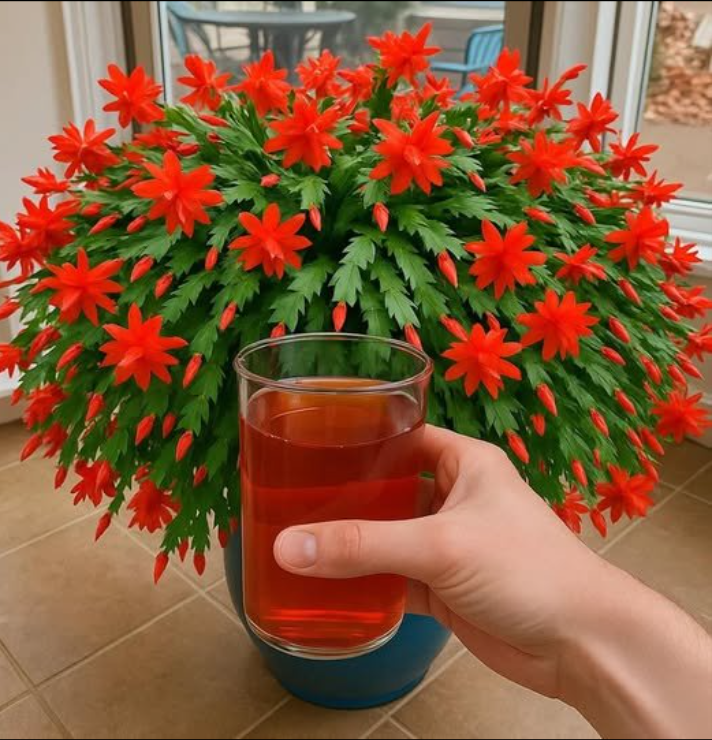
The most effective tricks for making the Christmas cactus bloom year-round start with understanding that these plants are not your typical desert succulents. Unlike their prickly cousins, the Schlumbergera is a tropical epiphyte native to the Brazilian rainforests. While they naturally bloom during the shorter days of winter, you can actually manipulate their environment to encourage vibrant blossoms throughout various seasons.
Table of Contents
Understanding the Bloom Cycle
To master the art of year-round flowering, you must first recognize that the Christmas cactus is a “short-day” plant. In nature, its flowering is triggered by the cooling temperatures and long nights of autumn. However, the secret to more frequent blooms lies in mimicking these conditions through controlled “resting periods.” By alternating between a growth phase and a dormant phase, you can signal the plant to produce buds more than once a year 🌸.
Perfecting the Light and Dark Balance
Light is the most critical factor in controlling the blooming process. To force a bloom outside of December, provide your cactus with roughly 12 to 14 hours of total darkness each day for about six to eight weeks. During the day, it needs bright, indirect sunlight—direct afternoon sun can scorch the segments. If you want to see flowers in the spring or summer, try moving the plant to a dark closet or covering it with a box every evening to simulate the long nights of winter.
Temperature and Moisture Control
Temperature plays a vital role in bud formation. Ideally, the plant should be kept in a cool environment, between 50°F and 65°F, during its dark period. If the room is too warm, the buds may drop before they even open. Additionally, you should reduce watering during this “pre-bloom” phase. Only water when the top inch of soil feels dry to the touch 💧. Once you see the tiny buds appearing at the tips of the leaves, you can return to a more regular watering schedule and move the plant back to its permanent home.
Feeding for Success
Nutrition is the fuel for those bright, satiny petals. Use a high-potassium fertilizer once a month during the active growing season, but stop fertilizing once the buds have set. Over-fertilizing during the blooming phase can actually cause the plant to stress and shed its flowers. A well-fed cactus is much more likely to have the energy to produce a second or third flush of color later in the year 🌿.

Final Maintenance for Longevity
Consistency is key. The Christmas cactus hates being moved once the buds have formed, as the change in light direction or intensity can cause “bud drop.” Keep it away from drafty doors, heating vents, or fireplaces, as sudden temperature fluctuations are the enemy of a long-lasting bloom.
By mastering these environmental triggers, you can enjoy a burst of tropical color whenever you choose. Have you ever successfully managed to get your Christmas cactus to bloom twice in one year? Let us know your favorite tip in the comments! 🌵✨
